How to Choose the Right Hot Air Balloon Flight in Dubai
Choosing a hot air balloon flight is less about picking the first available option and more about matching the experience with your expectations, schedule and comfort level. The desert setting can make the ride feel very different from one departure to another. Wind, launch timing, group size, route and the standard of communication all matter. A little careful reading before booking helps avoid surprises on the morning itself.
Start by being clear about the kind of experience you want. Some people picture a calm sunrise outing with wide open desert views, while others want a fuller morning with extra activities around the flight. Both can be enjoyable, but they suit different moods. If your main interest is the balloon itself, look for an option that gives enough time to watch inflation, ask sensible questions and settle into the basket without being rushed. If you want a broader desert morning, check what is included around the flight and whether those extras fit your plans.
Decide what matters most before comparing options
Think about the practical shape of the morning. Balloon flights usually take place early because cooler air and steadier winds are more suitable. That means transport, wake-up time and breakfast arrangements can affect the experience as much as the flight itself. A short ride with a long wait may feel different from a longer ride with a simple schedule. Consider who is coming too. Children, older travellers and anyone nervous about heights may prefer a calmer, shorter experience with clear instructions and limited rushing.
Comfort is another point worth weighing. The basket is usually standing room only, and the space is shared. There is no shaded cabin or seat in the usual sense. Loose clothing, flat shoes and layers are sensible because the desert can be cool before sunrise and warm later. If someone in the group has mobility limits, check the boarding and landing arrangements before booking. Ask in plain terms whether the activity is suitable, rather than assuming that all parts of the morning will be easy.
Read the route and timing carefully
The route is not a street map. A hot air balloon moves with the wind, so the exact path changes. What can be described is the general launch area, the kind of landscape likely to be seen and the expected duration in the air. Be cautious with any wording that promises a precise landing point or a fixed view. A responsible description recognises that conditions decide the final path.
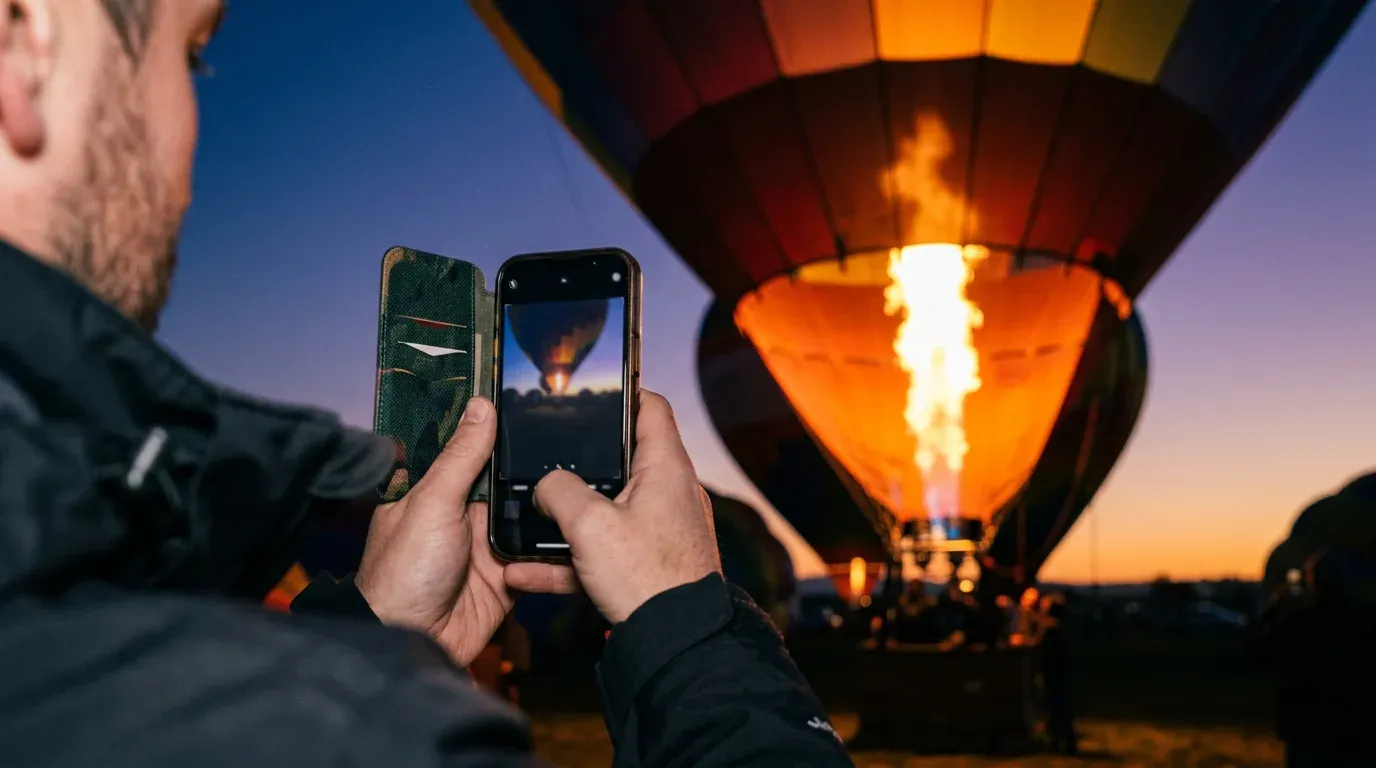
A morning glide over open desert can be peaceful, especially when the light is low and the ground is quiet. Some routes may offer a mountain backdrop, depending on the location and conditions. That visual detail can be worth considering if photography is important to you. Still, the quality of the experience should not rest on one view. A good flight should feel organised from the moment you arrive at the launch area through to the return transfer.
Timing deserves close attention. Check the meeting point, the expected length of the whole morning and when you should be back in the city. If you have later plans, leave a margin. Weather can delay launch, and the schedule may change at short notice. A provider that explains this clearly in advance is usually easier to deal with than one that treats every detail as fixed.
Check the operator's safety culture
Safety is not a single badge or phrase on a website. It shows up in the way the operator explains the day, prepares passengers and handles uncertainty. Look for clear pre-flight briefings, sensible clothing advice and an honest explanation of what happens if conditions are not suitable. A provider that talks openly about weather is a better sign than one that implies every morning will run exactly as planned.
You do not need technical knowledge to ask good questions. Find out who the pilot is, how the group is briefed and what support is present at launch and landing. A chase vehicle is part of normal operations because the balloon lands where the wind takes it, not where a driver can simply park. Ask how passengers are taken from the landing area afterwards. This matters more than people expect, especially if the landing spot is away from roads.
Some technical items can be noticed without touching equipment. The fuel tank, burner setup and landing gear should be handled only by trained crew, but passengers can still notice whether the preparation looks orderly and whether safety distances are respected. Radio communication should be used by the crew for coordination. If anything appears loose, rushed or poorly explained, it is fair to ask about it. Do not try to adjust equipment, interfere with controls or step into areas marked off by the crew.
Compare inclusions without getting distracted
When looking at balloon flights dubai, compare the whole morning rather than focusing on one attractive extra. Breakfast, transport, photography, wildlife encounters and desert activities may be bundled together. These can add value, but they can also change the pace. A packed itinerary may leave little time to enjoy the quiet parts of the flight. A simpler option may suit travellers who want space to think, take photos and avoid a crowded schedule.
Group size is a useful detail to check. A smaller group often feels calmer and makes boarding simpler, while a larger group may create a lively atmosphere. Neither is automatically better. The right choice depends on whether you value privacy, conversation or a social feel. Ask how many people usually share a basket and whether the price is based on shared or private arrangements. This prevents awkward assumptions later.

Another point is the standard of information supplied before the flight. Good communication should tell you where to meet, what to wear, what to bring and what may happen if the launch is postponed. Clear instructions are especially helpful for first-time balloon passengers. If the details feel vague, ask for clarification before committing. A short exchange at booking time can save a lot of confusion at dawn.
Look at reviews with a practical eye
Reviews are useful when read for patterns, not just praise. Repeated comments about organisation, punctuality, pilot communication and transfer arrangements say more than a single glowing line. Pay attention to how complaints are described. A delayed launch caused by weather is different from poor communication or a disorganised pickup. The first may be part of ballooning, while the second points to weak planning.
Photos can help too, though they should be treated as atmosphere rather than proof of every detail. Look for signs of crowding, queueing and the general condition of the launch setup. If the same launch area appears often, that can give a sense of the terrain. If a review mentions a long wait, consider whether the overall schedule allows for it. A flight is an outdoor activity, so small variations are normal, but repeated confusion is worth noting.
Ask the right questions before booking
Before paying, make a short list of questions and keep them direct. The answers should help you judge whether the experience matches your plans.
- What is the expected time in the air, and how long is the full morning?
- Where is the meeting point, and is return transport included?
- How many passengers usually share the basket?
- What happens if weather prevents the launch?
- What clothing and footwear are recommended?
A confident answer does not have to be lengthy. It should be specific enough to plan around. If a response avoids the question or changes the subject toward extras, pause and compare another option. That is especially true for safety and weather. Ballooning depends on conditions, and no operator can control the wind.
Match the choice to the kind of morning you want
After gathering the details, step back and compare the options in plain terms. Which one gives you the clearest schedule? Which one explains the flight in a calm, realistic way? Which one treats the desert as more than a backdrop? The best choice is often the one that feels well organised without overpromising.
Some travellers want balloon flights dubai to be the centre of a short stay, while others fit the experience around business or family plans. Your choice should reflect that. If the morning needs to end at a fixed time, prioritise clear timing and return transport over extra activities. If photography matters, ask about launch timing and the likely light. If comfort matters most, look closely at group size, clothing advice and the length of time spent standing.
Prepare properly on the day
Once booked, follow the instructions supplied for the flight. Wear layers that can be adjusted, choose closed shoes and avoid loose items that may blow away. Leave unnecessary bags behind if storage is limited. Bring a camera or phone only if you are comfortable carrying it securely, and keep both hands free during boarding and landing when instructed.
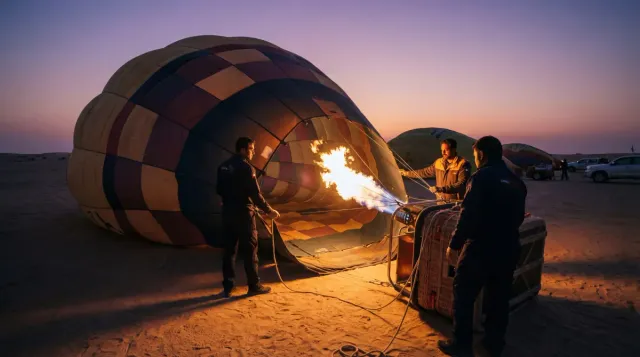
Listen to the briefing even if you have seen balloons before. The launch area has moving equipment, open flame and people working close together. Stay within the areas pointed out by the crew and follow directions without trying to help unless asked. If you feel unsure about anything, say so before boarding. A good passenger question is usually easier to handle on the ground than in the basket.
Finally, keep your expectations flexible. A balloon flight is shaped by wind, temperature and timing. The memory often comes from the whole rhythm of the morning: the quiet before launch, the sound of the burner, the slow movement over the desert and the careful landing. Choosing well means looking past glossy wording and focusing on the details that make that morning safe, clear and enjoyable.